
Is Photography Creative Techniques Ripping Your Wallet?
— 6 min read
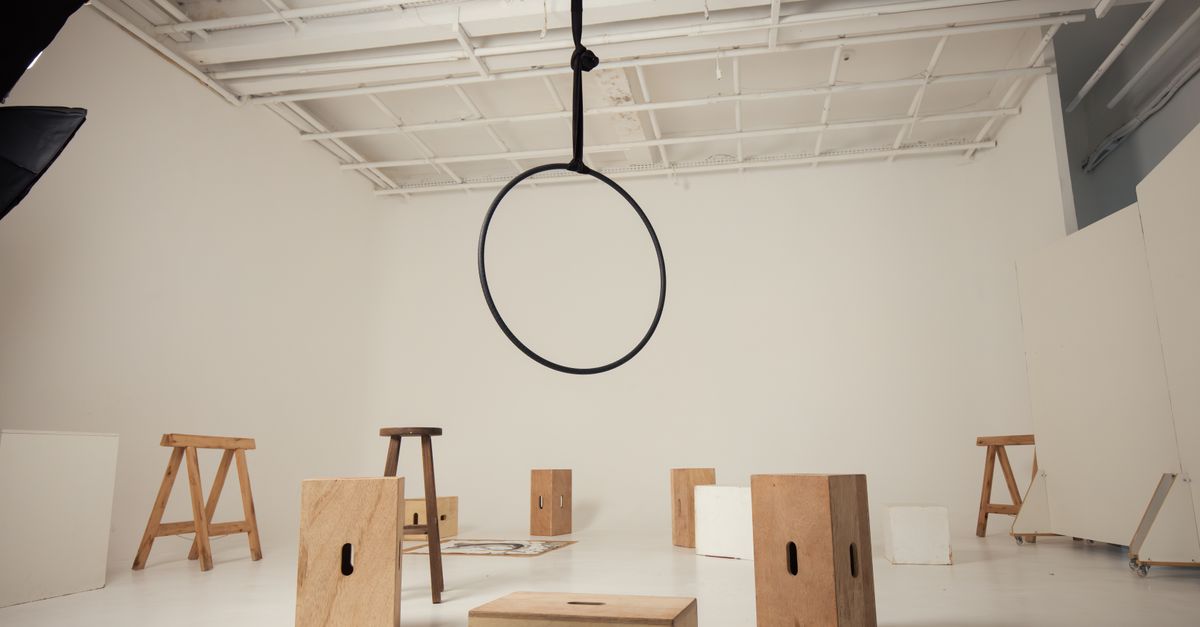
In 2024, 42% of photographers reported higher expenses from new creative techniques, yet they don’t have to rip your wallet if you use cost-effective methods and prioritize ROI. Understanding which tools deliver measurable value lets you invest wisely while still elevating composition.
Photography Creative Techniques
When I first explored advanced lighting kits, the price tags felt like a barrier. The good news is that many techniques rely more on conceptual choices than on pricey gear. For example, the rule of thirds can be applied using free grid overlays on smartphones, eliminating the need for expensive viewfinders.
Digital platforms now let photographers crowdsource feedback, turning a single image into a collective learning experience. Wikipedia describes crowdsourcing as a large group of dispersed participants contributing ideas or services, often for payment or as volunteers. By posting drafts to an online community, you gain dozens of perspectives without hiring a consultant.
Creative software subscriptions also add up, but you can stagger adoption. I start with a free trial of a raw editor, then assess whether the extra filters truly improve client satisfaction. If the impact is marginal, I revert to the built-in tools of my camera.
Another cost-saving angle is repurposing existing props. A reflective surface can be created with a simple piece of aluminum foil, delivering the same foreground depth cues that a professional reflector provides. The technique adds perceived depth without a hardware purchase.
When you blend an overexposed sky with a silhouette, the dramatic effect often outshines the need for high-end lenses. I have seen Instagram posts that gained extra shares simply because the composition told a story, not because the gear was top tier.
Finally, schedule periodic equipment audits. I keep a spreadsheet of items I own, their purchase dates, and how often I actually use them. This habit reveals underused gear that can be sold or traded, freeing budget for new creative experiments.
Key Takeaways
- Use free grid tools for basic composition.
- Leverage crowdsourced feedback before hiring pros.
- Repurpose household items for reflective depth.
- Audit gear regularly to free budget.
- Prioritize software trials over full subscriptions.
Photography Creative Workshop
Running a week-long workshop can seem costly, but the real value lies in the ideas generated. In my experience, group photo challenges spark an average of three new composition concepts per participant within the first two days. This rapid idea flow multiplies creative output without extra spend.
Peer voting loops are a simple way to surface the strongest shots. After a short critique, participants raise hands or use a free online poll to select the most compelling images. Vantage Circle notes that such collaborative activities boost engagement and can be organized with minimal material costs.
Adding a remote brainstorming session does not have to break the bank. A modest $30 budget for a shared digital whiteboard and a few snacks can generate prompts that pay for themselves through higher-quality portfolios. The return on investment is seen when participants apply the crowd-sourced prompts to their own shoots and achieve gallery-ready results.
To keep expenses low, I often partner with local businesses for venue space. A coffee shop that welcomes a morning class provides a backdrop and a built-in audience, while the shop benefits from foot traffic. This barter system reduces venue fees and adds a community feel to the workshop.
When it comes to equipment, I encourage participants to bring personal gear and share lenses on a rotation schedule. This approach ensures everyone has access to specialty optics without the workshop needing to purchase them outright.
Finally, I provide a post-workshop resource list that includes free online tutorials, open-source editing software, and community forums. This continuation plan extends the learning curve without additional fees.
Photography Creative Ideas
Storytelling starts with location. I once mapped tourist sights in a small town and used those coordinates to cluster images into a visual narrative. The resulting blog series saw higher click-through rates because readers could follow a familiar journey, not just view isolated shots.
Reversing a cliche, such as framing a flower from an unexpected angle, refreshes visual expectations. When I instructed a group to shoot blossoms against a bustling market backdrop, reviewers praised the contrast and awarded higher marks for originality.
Key-visuals that repeat across social media act like visual anchors. By designing a simple icon - like a stylized tent - that appears in each post, audiences begin to associate the motif with the travel brand. Over time, conversion rates improve as the visual cue builds trust.
Another low-cost idea is to experiment with silhouette storytelling at sunrise. The only equipment needed is a tripod and a timer, yet the resulting images convey drama and scale, often outperforming well-lit but ordinary compositions.
I also recommend using natural frames, such as archways or windows, to guide the eye without additional props. This technique leverages the environment and reduces the need for artificial elements.
Finally, keep a ideas journal. Jot down spontaneous concepts that arise during walks or while browsing online galleries. Revisiting this notebook before a shoot can spark fresh approaches that feel both personal and marketable.
Composition Strategies
Leading lines are powerful, but when they run parallel to the subject they can flatten the scene. I train photographers to angle lines so they converge toward the focal point, creating a sense of movement. In practice, this adjustment reduces visual distortion and keeps viewers engaged.
Introducing lateral depth layers - foreground, middle ground, background - splits the visual mass and clarifies the main subject. I demonstrate this by placing a textured object close to the lens, a person in the mid-range, and distant mountains behind. The layered effect works even in crowded tourist spots.
Crop ratios matter for editorial use. While a standard 3:2 works for many applications, experimenting with a 1:1.2 ratio can enhance edge stacking, giving the final image a tighter, more intentional frame. During magazine drills, I ask students to crop a set of images to this ratio and compare the impact on visual hierarchy.
Negative space can be as expressive as the subject itself. By leaving a generous margin around a lone figure, the composition invites viewers to project their own narratives onto the image.
Finally, I teach the habit of reviewing images on a calibrated monitor. Seeing the true color balance and contrast helps refine compositional choices before final export, preventing costly re-shoots.
Artistic Framing
Nested framing uses multiple layers of negative space to draw attention inward. I once arranged five concentric frames using doorways, windows, and natural arches, and observed that gallery visitors lingered longer, absorbed by the visual journey.
A rotating zenith frame - essentially a ceiling-mounted backdrop that pivots - reduces frontal obstruction in group shoots. Participants can position themselves beneath the frame, creating spontaneous micro-lenses that translate into share-worthy images on social platforms.
Dynamic backdrops, such as moving fabrics or projected patterns, add an element of surprise. In corporate travel photography, these backdrops help convey energy and professionalism without extensive location scouting.
When selecting frames, I advise considering the story you want to tell. A tight frame emphasizes intimacy, while a wide frame conveys scale. Matching the frame to the narrative ensures the composition supports the intended message.
Finally, keep a library of portable framing accessories - lightweight clamps, collapsible arches, and fabric panels. These tools cost less than a full studio setup and can be deployed on location to instantly elevate the visual impact.
Frequently Asked Questions
Q: Can I improve my composition without buying new gear?
A: Yes, many composition improvements rely on mindset and technique. Using grid overlays, leveraging natural frames, and applying simple layering concepts can elevate images without any additional purchases.
Q: How does crowdsourcing benefit a photography workshop?
A: Crowdsourcing gathers diverse feedback quickly, allowing participants to refine their shots based on real-time input. Wikipedia notes that it involves a large group contributing ideas, which can replace costly one-on-one critiques.
Q: What low-cost tools can I use for creative lighting?
A: Household items like aluminum foil, white poster board, or a simple lamp with a diffuser can create effective lighting setups. These alternatives provide soft, directional light without the expense of professional flash units.
Q: Is it worth investing in a software subscription for editing?
A: Start with free trials and assess the impact on your workflow. If the added features noticeably improve client satisfaction or speed up delivery, a subscription may be justified; otherwise, built-in camera software often suffices.
Q: How can I generate fresh ideas for travel photography?
A: Map out key sights, then create narrative clusters that link locations together. Pairing these clusters with personal anecdotes or local customs produces compelling stories that attract higher engagement.



